
Mindfulness and Somatic Therapy in Oakland, CA
In-person somatic therapy in Oakland and online across California and Minnesota.

When talking it through hasn't been enough.
You already understand your patterns. You can explain where they came from, maybe better than anyone in your life.
And you still tense up before a hard conversation, still can't switch off at night, still go numb when things get to be too much.
That's not a failure of insight. Some of what you're carrying was never stored as words, so words alone can't reach it. Somatic therapy works with what your body is holding, not just what your mind can explain.

You're anxious, shut down, or overwhelmed more often than you'd like to admit
You can't relax or sleep, even when you're exhausted
You've learned to disconnect from your body or feelings just to keep functioning
You keep ending up in the same patterns: overworking, over-giving, over-responsibility
You've done talk therapy and understand a lot, but something still hasn't shifted
None of this means something is wrong with you. It's your nervous system doing what it learned to do to keep you safe.
This might be for you if
What somatic therapy actually is

"Somatic" comes from the word for body, but it's about more than your body on its own. We're always in relationship: with other people, with the places we live, with the earth, with the world we're moving through.
Somatic therapy pays attention to all of it: what's happening inside you, and how your body responds to everything around you. It's a living, responsive process, not a technique done to you.
Emotions live here too. You don't just think you're sad or scared. You feel it: tightness in your chest, a lump in your throat, heaviness, a buzz under your skin. The body is where emotions actually happen, so that's where we meet them, instead of only talking about them.
This matters most if you're good at explaining things. Your mind can be brilliant at keeping you one step removed from what's really going on. Coming back to your body gets underneath that, to what you're actually feeling, what you actually need, and where your energy is really going.
What a session looks like. It really depends on you. We start where you are and shape the work around what you need. Some sessions begin with a short practice to land in your body and get out of your head. Some people want more movement, and others mostly want to talk, with the body woven in.
Either way, as we talk, I'll notice patterns showing up in your body. Maybe your shoulders rise when you mention your mother, or you go a little foggy when we get close to something hard. We slow down there.
When it helps, I'll teach you movement, breathing, or relaxation practices, short ways to regulate your nervous system. They're not just for calming down in the moment. Practiced over time, they start to repattern your nervous system, so your body learns it can feel more without getting flooded or shutting down.
Where mindfulness fits. Mindfulness here isn't about clearing your mind or meditating for an hour. It's the skill of noticing what's happening in you right now, without immediately judging or fixing it. That creates enough space to be with harder emotions without getting swamped, and it's something you can use on your own between sessions.
What I draw on. My training as a certified yoga therapist (C-IAYT) is a big part of how I work. It brings practical tools like breath, movement, and body awareness, and also frameworks for understanding the different layers of our experience, how we're interconnected with each other and the world, and what we need to come back into balance. That's woven together with training in Integrative Somatic Trauma Therapy and Somatic Attachment Therapy.
Meet Rachel
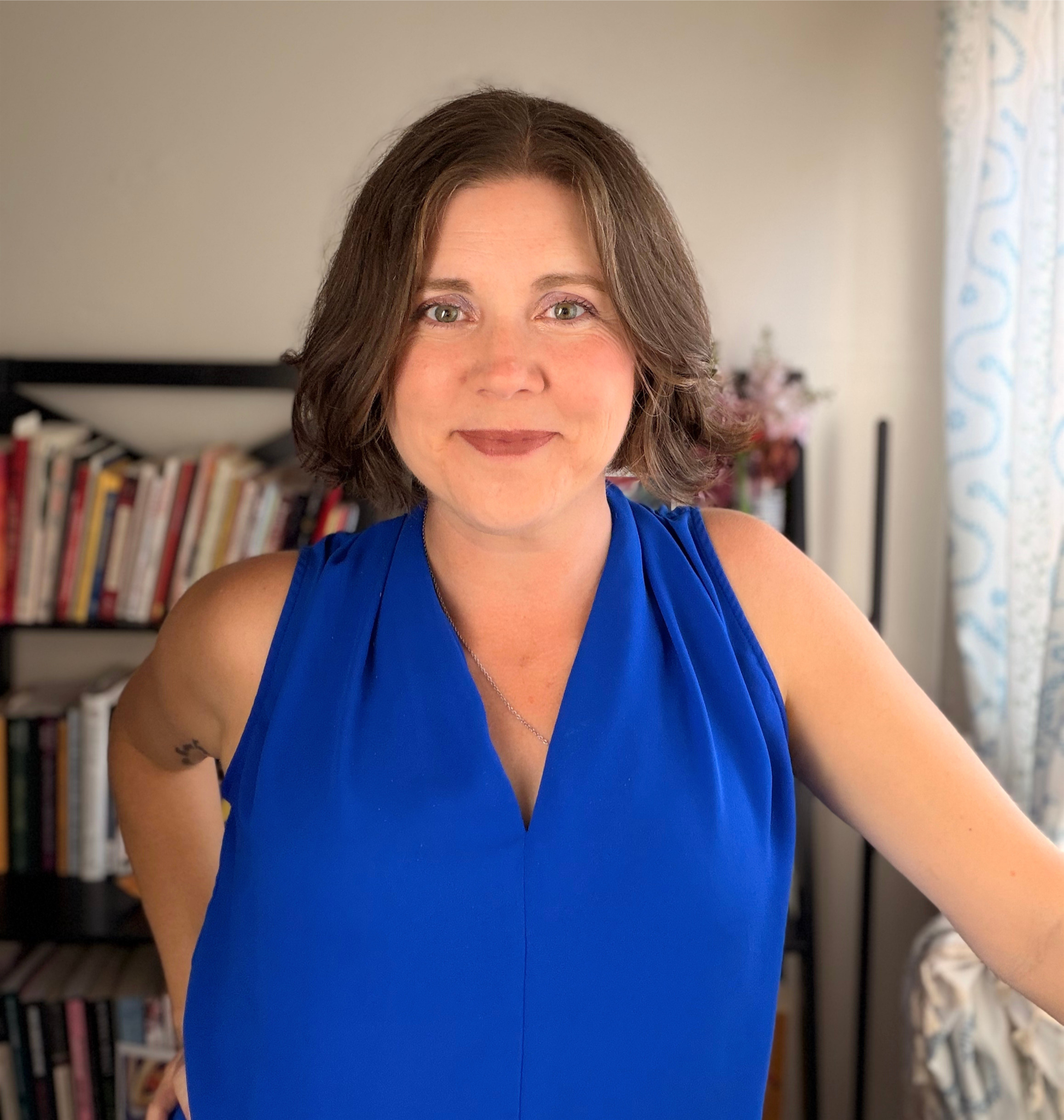
I'm Rachel Wilson, LCSW, C-IAYT, a somatic trauma therapist in Oakland. My own somatic practice started when I was 21, through yoga and mindfulness, and it has made a huge difference in my life. It's what sustained me through years of trauma work in juvenile halls, schools, and community organizations. And my own therapy wouldn't have gone where it did without it. Talking and body-based practice do different things, and I've needed both.
When I started bringing these practices into my work, I saw what had been missing when we only talked. Clients go deeper, faster. We cut through the stories that keep things stuck, get to what's actually going on, and things shift in ways that talking alone rarely reaches.
I've also seen how much our bodies carry from the world around us. We're always in relationship, and power and safety play out in the body, not just in our heads. You can't always control whether the places you live and work are safe. But you can build your capacity to be with what is, and find a little more steadiness even when things are hard.
I'm direct, I'll be honest with you, and I'll go at the pace your body can actually handle.

What becomes possible
You notice stress building in your body and adjust as you go, so you're not completely wrecked by the end of the day.
You get into bed and actually fall asleep, instead of replaying every conversation.
You can cry or get angry and come back to yourself afterward, without losing the whole day.
You know what you want and need, and you build relationships where you get cared for too, not just do the caring.
Your jaw unclenches, your breath drops lower, and you stop waiting for the other shoe to drop.
You're fully present with the people you love, not halfway somewhere else.
How to Get Started
1) Schedule a Free Consultation
A 15-minute call to see if we're a good fit. Ask me anything.
2) Fill out a little paperwork
Quick online forms, so our first session is all about you.
3) Begin our work together
We start where you are and build from there, at your pace.